Table of contents
China’s wine market is experiencing rapid transformation, driven by shifting consumer tastes, generational changes, and a growing interest in premiumization. Adapting wine branding strategies to these evolving preferences is key to capturing and retaining attention in this dynamic environment. Dive into the following paragraphs to uncover essential approaches and expert insights that will empower your brand to thrive in China’s competitive landscape.
Understanding Chinese Consumer Trends
In the Chinese wine market, evolving consumer behavior China is increasingly shaped by the preferences of young consumers China, who now represent a significant segment of the wine-drinking population. These consumers, often in their twenties and thirties, seek not just premium quality but also experiences that resonate with their lifestyles and values. One marked trend is the rise in health consciousness, with individuals favoring wines perceived as natural, lower in additives, and offering wellness benefits compared to other alcoholic beverages. Furthermore, a strong appetite for localized experiences drives demand for products that integrate Chinese cultural symbols, flavors, and storytelling, reflecting broader wine industry trends toward personalization.
To effectively appeal to these dynamic preferences, brands must embrace sophisticated tools like psychographic profiling in their data-driven market segmentation strategies. This approach enables deeper understanding of consumer motivations, lifestyle aspirations, and purchasing triggers, allowing for highly tailored branding and communication. Leveraging cultural insights alongside analytics ensures messaging remains relevant and compelling within the unique context of the Chinese market. For international brands considering these strategies, the question Is your wine ready for China ecommercechinaagency offers a practical checklist and actionable guidance for adapting wine branding and distribution to current consumer expectations.
Localizing Visual Identities
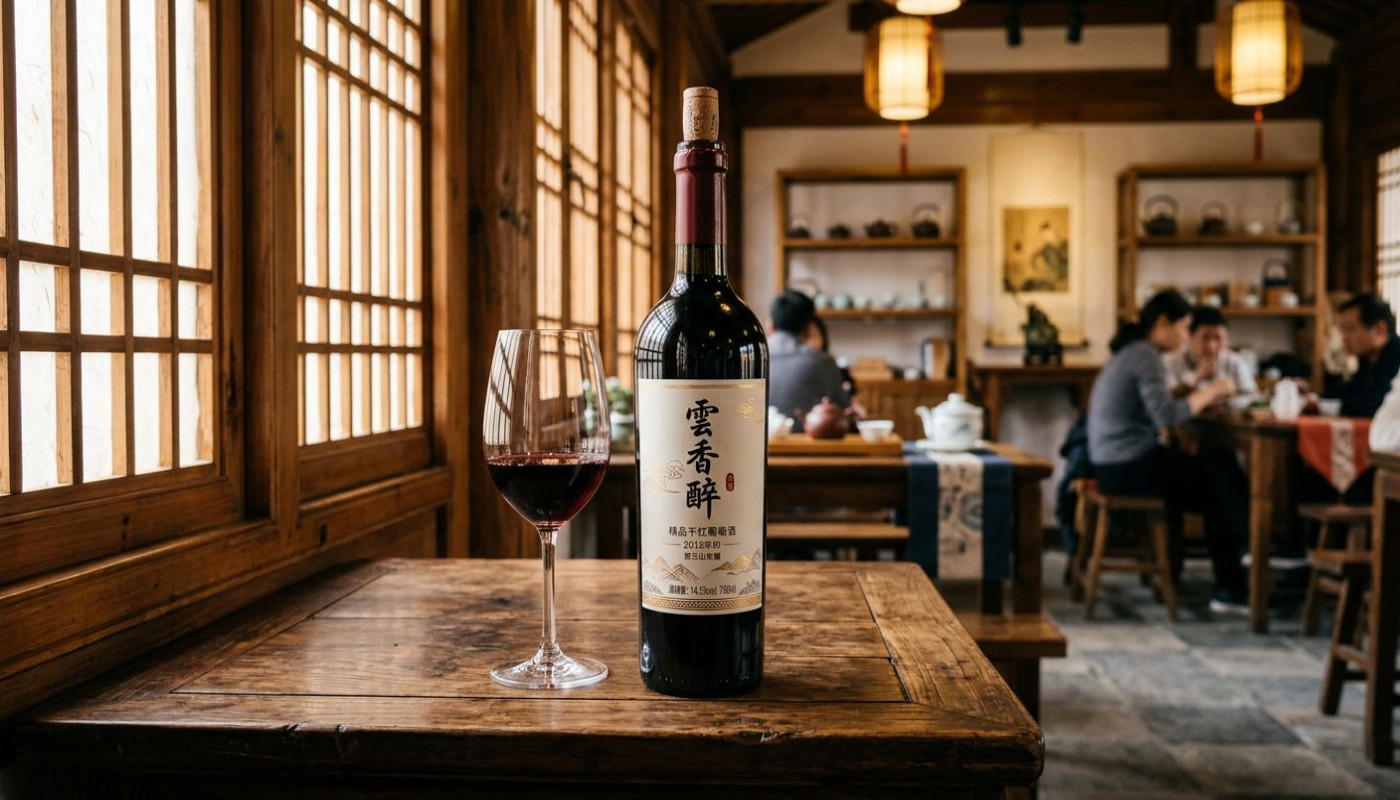
Optimizing wine branding for evolving preferences in China involves a thoughtful approach to visual semiotics, where the fusion of wine label China design, strategic packaging design, and Chinese aesthetics plays a pivotal role. To amplify consumer appeal, brands should consider integrating auspicious colors such as red and gold, which symbolize luck and prosperity, while also incorporating traditional Chinese motifs like peonies, dragons, or calligraphy. Balancing these with sleek, contemporary design elements ensures resonance with both tradition-oriented and modern consumers. Tailoring packaging formats—ranging from bottle shapes to innovative gift boxes—can make products stand out on shelves and cater to gifting culture, a significant purchase driver in this market. The deliberate harmonization of old and new visual cues not only strengthens brand recognition but can also directly influence purchasing choices, as buyers increasingly seek products that feel both familiar and aspirational. For wine branding success in China, the head of creative design should leverage localized visual language to bridge cultural authenticity and modern sophistication, ensuring every aspect of the brand’s presentation aligns with consumer expectations and enhances shelf impact.
Leveraging Digital Engagement Channels
Brands aiming to stay ahead in the Chinese market must focus on robust digital marketing China strategies, utilizing platforms where consumers spend most of their time. Social media wine campaigns on WeChat, Weibo, and Xiaohongshu not only foster conversations but also allow for targeted promotions, tailored content, and direct consumer feedback. Combining wine e-commerce efforts with these channels creates a seamless path from discovery to purchase, especially when integrating omnichannel integration to unify user experiences online and offline. Interactive campaigns, such as limited-edition releases through mini-programs or QR code-driven tastings, encourage both engagement and conversion.
Live streaming sales, a rapidly growing trend in China, offer brands an unparalleled opportunity to demonstrate products in real time, answer questions instantly, and create urgency through exclusive deals. Collaborating with key opinion leaders (KOLs) and influencers familiar with the nuances of influencer marketing China ensures messaging resonates with targeted demographics, enhancing trust and authenticity. Digital storytelling, leveraging video content and user-generated stories, deepens brand narratives and helps connect with younger, tech-savvy audiences who value transparency and experience. The chief digital strategist should oversee these initiatives, ensuring that omnichannel integration is at the core of every campaign for consistent messaging and maximum impact across touchpoints.
Emphasizing Educational Storytelling
Educating Chinese consumers about wine origins, varietals, and tasting notes serves as the foundation for building lasting brand loyalty and nurturing a deeper understanding of wine culture. With many Chinese consumers relatively new to wine, offering accessible and engaging learning experiences can demystify wine consumption and foster trust. Brands should leverage experiential learning by integrating storytelling in branding through a range of formats, such as interactive in-store tastings, immersive wine masterclasses, and engaging online workshops. These approaches allow consumers to connect personally with a brand’s heritage, winemaking process, and unique attributes, sparking curiosity and appreciation. Entrusting the brand education director with designing these experiences ensures authenticity and relevance. Authentic narratives, when paired with practical wine education China initiatives, can establish a distinct brand voice while supporting consumer loyalty China. Documenting real stories from vineyards, sharing food pairing suggestions, and using digital media to highlight winemakers’ expertise are compelling ways to enrich storytelling and deepen consumers’ emotional investment in wine brands.
Building Trust Through Authenticity
Establishing consumer trust in China’s wine market demands a strong commitment to authenticity, with transparent sourcing and sustainable practices playing a pivotal role. Supply chain transparency ensures that every stage of production, from vineyard to bottle, is easily verifiable, which addresses mounting consumer concerns about product origin and quality. Buyers in China increasingly seek proof of wine authenticity China, favoring brands that not only uphold rigorous quality standards but also embrace eco-friendly initiatives. Emphasizing sustainable wine production, such as reduced carbon footprints, organic certifications, and responsible water use, enhances credibility with socially conscious consumers and demonstrates long-term commitment to the market.
Highlighting third-party certifications and employing wine traceability technologies—such as blockchain, QR codes, and digital ledgers—provides Chinese consumers with instant access to detailed product histories and validates claims of authentic branding. These measures resonate particularly well among younger, well-informed buyers who scrutinize labels for evidence of origin and sustainability. By reinforcing supply chain transparency and maintaining consistent quality, brands nurture enduring consumer trust China, building loyalty and positive word-of-mouth that drive repeat purchases in an increasingly competitive landscape.
Similar

Mastering plant-based cuisine essential tips for creating delicious vegan dishes

Congo Rebels accuses DRC and Rwanda of complicit in the death of Italian Diplomat

Impact Of Journalism On Uncovering The Hidden Layers Of Corporate Networks

Anti-pollution masks: why choose them?
